
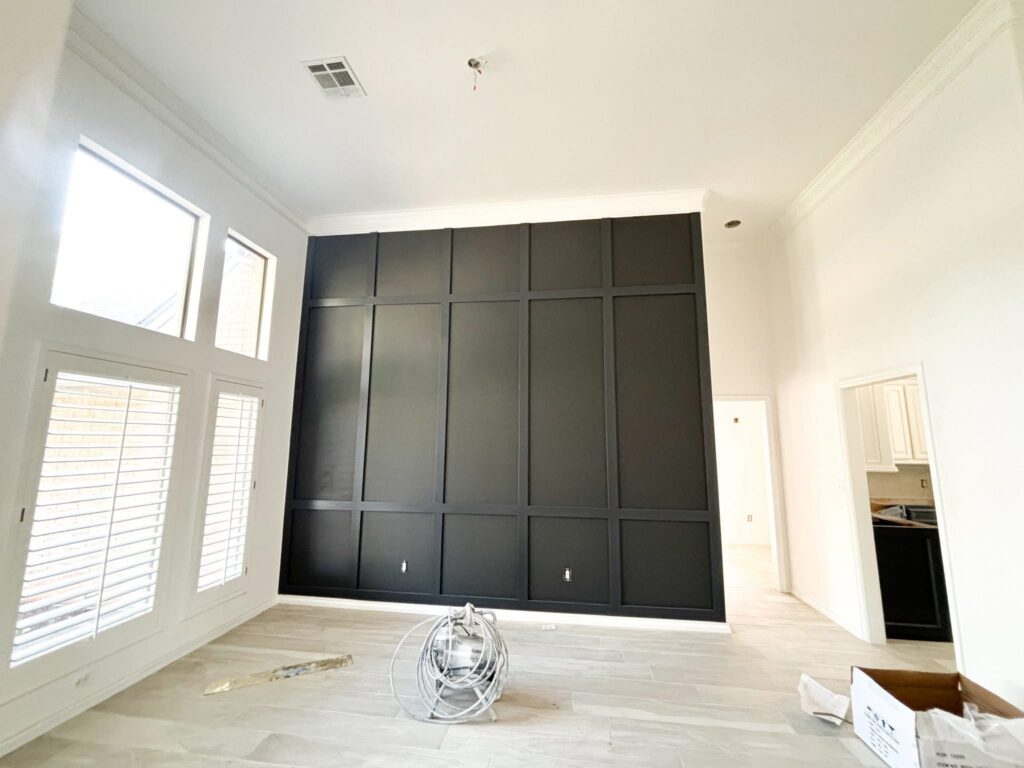
One of the most common questions in commercial painting is whether to spray or brush and roll. The answer is not one-size-fits-all — the right method depends on the surface, the space, the coating, and the occupancy conditions. Here is how professional contractors decide.
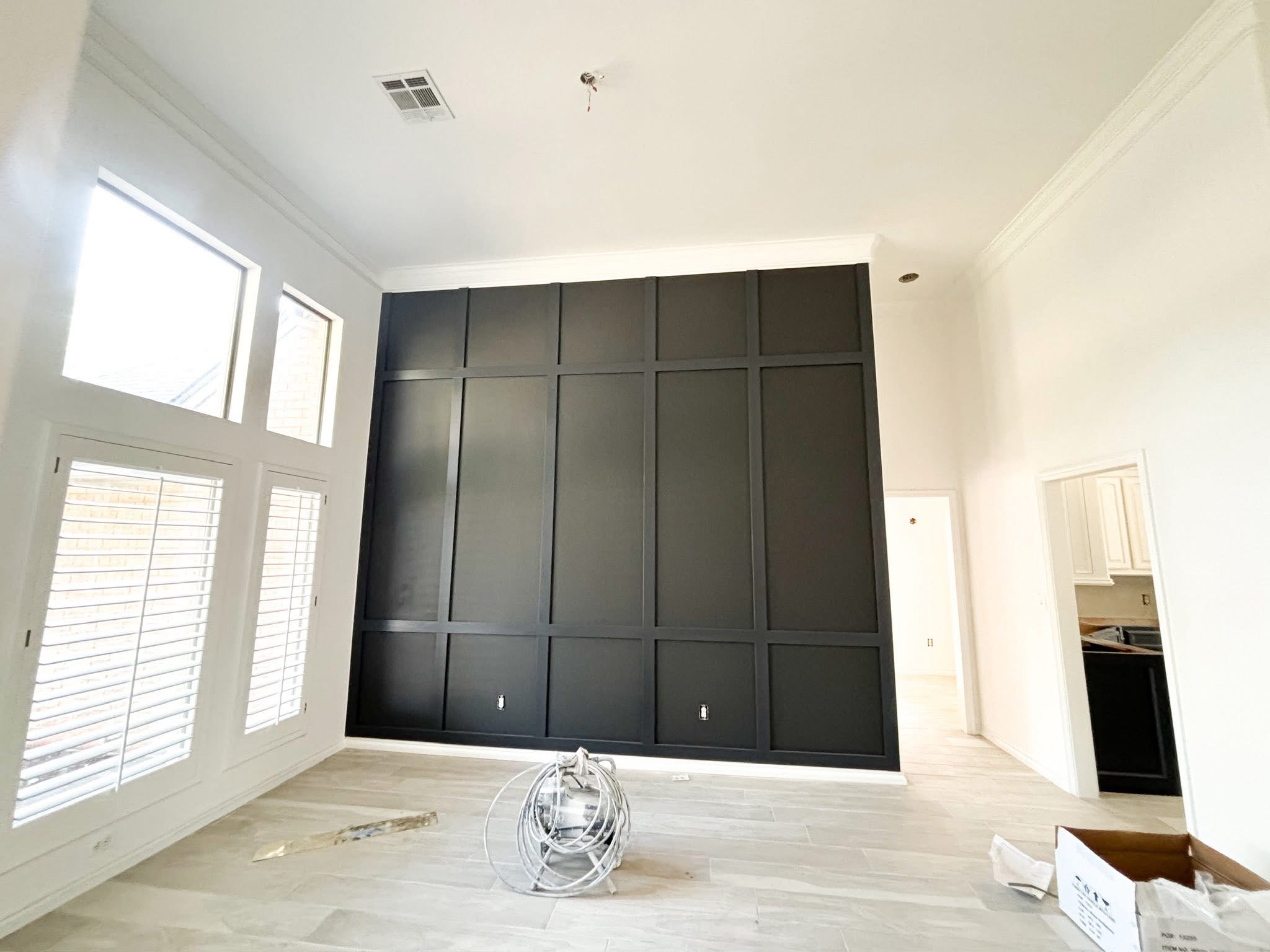
When to Spray
- Large open areas: Warehouses, open ceilings, exposed decks — spraying covers large surface areas quickly with uniform coverage.
- Textured surfaces: Block, CMU, stucco, and rough substrates that a roller will not fully coat.
- High-build coatings: Dryfall, elastomerics, and heavy-bodied primers apply more efficiently through airless spray.
- Production speed: When timeline is the priority, spray application is significantly faster than rolling.
When to Brush and Roll
- Occupied spaces: Offices, medical facilities, retail stores — rolling produces almost zero overspray and requires less containment.
- Detailed trim work: Doors, frames, window sashes, and architectural details benefit from brush application for control.
- Small or segmented areas: Multiple small rooms, corridors, and spaces where masking for spray would take longer than rolling.
- Touch-up and punchlist: Small repairs and touch-ups are almost always done by brush or roller for precision.
The Hybrid Approach
Most commercial projects use both methods. Walls may be sprayed while trim and cut-in lines are brushed. Ceilings get sprayed with dryfall while walls below get rolled. The skill is not in choosing one method — it is knowing which method to use on which surface, in which space, at which stage of the project.